Cooking
Cooking transcends the simple act of preparing food. It’s a dynamic intersection of science, art, and cultural expression that transforms raw ingredients into memorable experiences. Whether you’re learning to properly sharpen a knife for the first time or exploring the molecular gastronomy behind spherification, the journey toward culinary confidence begins with understanding core principles that professional chefs have refined over generations.
The modern home cook faces an exciting landscape of possibilities. Traditional techniques coexist with innovative methods like sous-vide cooking, while global ingredient availability allows flavor bridging across continents. Yet this abundance can feel overwhelming without a solid foundation. This comprehensive resource connects essential cooking knowledge—from mise en place organization to multi-course meal sequencing—providing you with the framework to elevate your skills systematically and cook with genuine understanding rather than simply following recipes.
Mastering Essential Kitchen Fundamentals
Every accomplished cook builds upon a foundation of reliable habits and properly maintained tools. These fundamentals aren’t glamorous, but they dramatically impact both your efficiency and the quality of your results.
The Transformative Power of Mise en Place
The French concept of mise en place—literally “everything in its place”—represents more than organized ingredients. It’s a professional mindset that eliminates kitchen chaos. Before any heat touches a pan, measure your spices, chop your aromatics, and arrange everything within arm’s reach. This preparation prevents the common home cooking disaster of burning garlic while frantically dicing onions. Professional kitchens operate at speed precisely because this principle is non-negotiable.
Knife Skills and Maintenance
A sharp knife is paradoxically safer than a dull one. Dull blades require excessive pressure, increasing the likelihood of slipping and causing injury. Regular maintenance involves two distinct processes: honing realigns the blade’s edge between uses (use a honing steel weekly), while sharpening removes metal to create a new edge (needed every few months depending on use). Proper knife skills—the pinch grip, stable cutting board, and claw hand position—protect your fingers while ensuring uniform cuts that cook evenly.
Choosing Your Heat Source
The gas versus induction debate centers on precision and responsiveness. Gas offers immediate visual feedback and instant temperature adjustment, preferred by traditionalists who learned to read flame height. Induction provides superior temperature control with up to 90% energy efficiency, maintaining precise low temperatures ideal for delicate sauces. Neither is universally superior—your choice depends on whether you prioritize tactile flame control or technological precision and safety features like automatic shutoff.
Sourcing and Selecting Quality Ingredients
Exceptional cooking begins long before you enter your kitchen. The integrity of your ingredients establishes an upper limit on what your technique can achieve.
Decoding Organic Labels and Local Options
The “organic” label on supermarket produce guarantees compliance with certification standards, but doesn’t necessarily indicate superior flavor or nutrient density. Local conventional produce, harvested at peak ripeness and sold within days, often surpasses the nutritional value of organic produce that traveled thousands of miles while still underripe. True organic practices involve soil health, biodiversity, and sustainable farming—inquire about methods at farmers’ markets rather than relying solely on labels. The freshest option frequently wins, regardless of certification.
Timing and Storage Strategies
Purchasing ingredients at peak season delivers maximum flavor and value. Tomatoes in August bear little resemblance to their January counterparts. However, even peak-season produce deteriorates rapidly through common storage errors. Tomatoes, stone fruits, and eggplants lose flavor and develop mealy textures when refrigerated—they’re tropical plants that suffer cellular damage below 50°F. Conversely, leafy greens and cruciferous vegetables require cold, humid environments. Understanding these botanical requirements prevents the disappointment of watching premium ingredients decline before you can use them.
Modern Techniques for the Home Cook
Professional kitchens have democratized their methods, making techniques once exclusive to fine dining accessible to ambitious home cooks. These approaches aren’t about showing off—they solve specific culinary challenges.
Sous-vide cooking eliminates the guesswork from proteins. By vacuum-sealing food and immersing it in precisely controlled water (typically 129°F for medium-rare beef), you achieve edge-to-edge consistency impossible with traditional methods. The comparison with traditional braising reveals complementary purposes: sous-vide excels at tender proteins with distinct texture, while braising builds complex, melded flavors through long, slow cooking in liquid. Neither replaces the other.
Molecular gastronomy techniques like spherification—creating liquid-filled spheres that burst in your mouth—and stabilized foams add textural intrigue and visual drama. Sodium alginate and calcium chloride react to form delicate membranes around flavorful liquids. While these techniques require specialized ingredients, they’re remarkably accessible. The legitimate criticism concerns wastefulness: aesthetic cooking sometimes prioritizes appearance over substance, generating excessive prep waste. Balance innovation with practicality and genuine flavor improvement.
Building Harmonious Flavors Across Cultures
Flavor construction separates competent cooking from memorable cuisine. Understanding how tastes interact allows you to balance dishes intuitively rather than dependently following measurements.
The Theory of Flavor Bridging
Flavor bridging identifies shared compounds between ingredients from different culinary traditions, creating logical fusion without confusion. Cilantro, lime, and fish sauce (Southeast Asian) naturally complement cumin and coriander (Middle Eastern) because they share flavor molecules. This scientific approach to fusion respects both traditions while creating something new. The risk lies in overpowering delicate ingredients—bold spice blends can obliterate subtle fish or vegetables. Start with restraint.
Balancing Spices and Optimizing Texture
Regional spice combinations evolved over centuries to complement local ingredients and climates. When blending traditions, consider intensity levels. Warm Moroccan spices (cinnamon, cumin) balance differently than bright Thai flavors (lemongrass, galangal). The authenticity versus innovation tension resolves when you understand the why behind traditional pairings—then innovation becomes informed evolution rather than random experimentation.
Texture contrasts create sensory interest that pure flavor cannot. Crispy elements against creamy backgrounds, tender proteins with crunchy vegetables—these deliberate contrasts prevent monotony and engage multiple senses simultaneously. A perfectly seasoned soup still benefits from toasted seeds or crispy garnish.
Planning and Sequencing Memorable Meals
Multi-course meals demand choreography. Beyond cooking individual dishes well, you must orchestrate timing, portion sizes, and flavor progression to avoid overwhelming your guests—or yourself.
Seasonal menu planning simplifies both sourcing and coherence. Spring menus naturally favor lighter preparations and delicate vegetables, while autumn invites braised meats and root vegetables. This seasonal alignment ensures ingredient availability and creates thematic unity without forced coordination.
Course sequencing follows physiological principles. Begin with lighter, brighter flavors to awaken the palate. Progress through richer, more complex dishes as sensory-specific satiety develops—the phenomenon where repeated exposure to one flavor decreases its appeal. Alternating protein types, preparation methods, and dominant flavors maintains engagement. Heavy courses positioned early induce fullness prematurely, while insufficient gaps between courses cause palate fatigue. The traditional 15-20 minute interval allows taste receptors to reset.
Portion control becomes critical across multiple courses. Each course should satisfy momentarily without inducing fullness. Professional tastings typically serve 2-3 ounces of protein per course across five or more courses, compared to typical 6-8 ounce single-course portions. The choice between plated service and family-style presentation affects pacing—plated service controls portions and timing, while family-style encourages interaction but risks uneven consumption.
The Art of Presentation and Plating
Visual presentation creates anticipation and demonstrates care, but it must serve the food rather than dominate it. Professional plating techniques employ principles borrowed from visual art: focal points, negative space, height variation, and color contrast.
The classic approach positions the protein at five o’clock, starch at two o’clock, and vegetables at ten o’clock on a round plate—creating natural visual balance. Modern plating often centralizes the composition with asymmetric elements. Regardless of style, avoid overcrowding. Empty plate space (negative space) allows each component to register visually.
The wastefulness critique of aesthetic cooking emerges when appearance requires excessive trimming, single-use garnishes, or inedible decorations. Sustainable presentation focuses on essential elements, ensures every component adds flavor, and uses trim strategically in stocks or staff meals. Beautiful food need not be wasteful—it should be the natural result of careful cooking rather than artifice applied afterward.
Cooking mastery emerges from understanding interconnected principles rather than memorizing isolated recipes. The fundamentals explored here—from knife maintenance to flavor bridging, from ingredient selection to course sequencing—provide a framework for continuous growth. As you deepen your practice, you’ll discover that technical skills, ingredient knowledge, and creative expression reinforce each other. Start with one area that excites you most, build competence systematically, and let curiosity guide your culinary journey toward increasingly sophisticated and personally meaningful cooking.
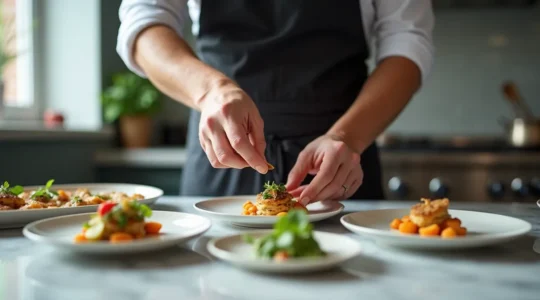
How to Design a 7-Course Tasting Menu at Home—Without a Team of Chefs
Executing a flawless 7-course menu isn’t about cooking; it’s about mastering the systems of sensory orchestration. Control portion size with a total cumulative target of 500g per guest to ensure they reach the final course with appetite. Manage flavor intensity…
Read more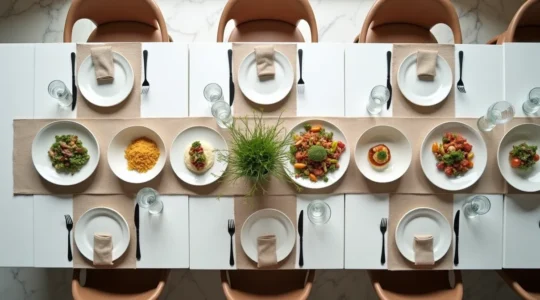
The Culinary Director: How to Host a Dinner Party That Tells a Story
A truly memorable dinner party is not just hosted; it is directed, using a deliberate system of sensory architecture to tell a cohesive story. The meal’s theme acts as the narrative script, guiding every choice from ingredients to music. The…
Read more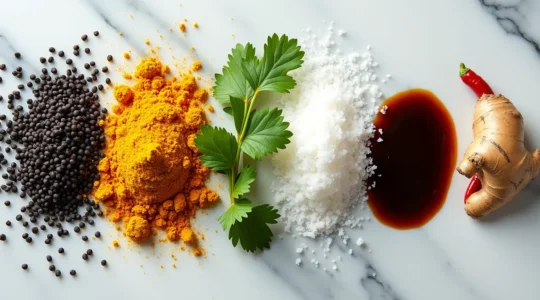
How to Combine Cuisines Without Creating a “Confusion” of Flavors?
True fusion cuisine isn’t about randomly mixing ingredients; it’s about understanding and respecting a dish’s architectural soul. Identify the non-negotiable “structural core” of a dish versus its “flexible attire” to know where innovation is possible. Use flavor bridges and molecular…
Read more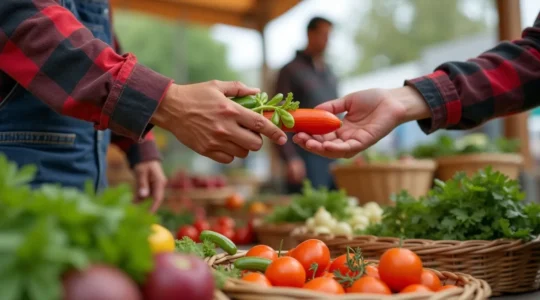
Beyond the Supermarket: How to Build a Direct Relationship with Farmers for the Best Cuts and Produce
The exceptional flavor and nutrition you’re searching for isn’t just about buying “organic” or “local”—it’s about understanding and bypassing the time-sensitive decay built into the conventional food system. Most produce loses a significant percentage of its key nutrients, like vitamin…
Read more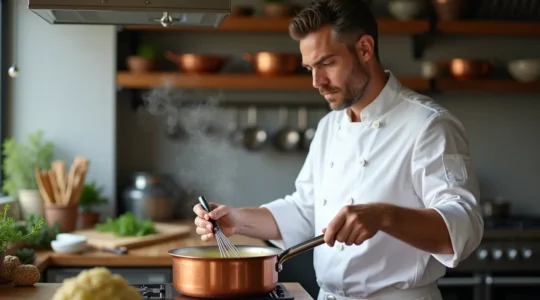
How to Master the 5 Mother Sauces to Freedom from Recipe Dependency?
In summary: True culinary freedom comes from mastering a chef’s system of thinking, not just memorizing sauce recipes. Core techniques like “mise en place,” knife skills, and heat control are the foundational grammar of cooking. Understanding professional processes for safety,…
Read more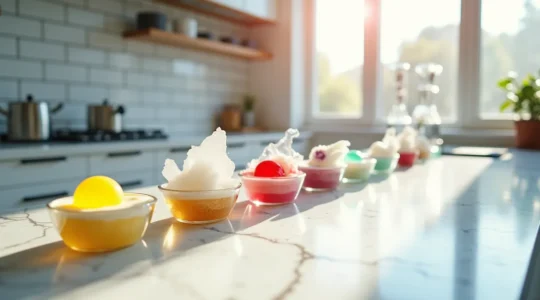
Molecular Gastronomy at Home: Master Modernist Cooking Without the Pro Gear
Molecular gastronomy isn’t about buying a lab’s worth of equipment; it’s a creative philosophy for transforming everyday ingredients. Mastering texture relies on understanding common agents like agar vs. gelatin, not complex chemicals. Elegant plating and zero-waste techniques can elevate simple…
Read more