Entertainment
Interactive entertainment has evolved far beyond solitary experiences into vibrant social ecosystems where millions gather, compete, and create together. Whether centered around gaming, streaming, virtual reality, or competitive esports, these communities have become the lifeblood of modern entertainment, transforming passive audiences into active participants who shape the experiences they love.
Building and nurturing these communities requires understanding human psychology, choosing the right technological platforms, managing complex social dynamics, and creating opportunities for authentic participation. This exploration examines the fundamental principles that separate thriving entertainment communities from those that struggle to maintain momentum, offering insights into the mechanisms that foster genuine connection in digital spaces.
Why Community Building Defines Modern Interactive Entertainment
Think of successful entertainment properties as cities rather than products. A city doesn’t just provide services—it creates spaces where people form relationships, establish identities, and build memories together. Similarly, engaged social ecosystems transform entertainment from a transaction into an ongoing experience where participants return not just for the content, but for the connections they’ve formed.
The shift from broadcast entertainment to interactive experiences has fundamentally changed audience expectations. People no longer want to simply consume—they want to contribute, collaborate, and co-create. A streaming platform that ignores its community’s desire to participate will inevitably lose ground to one that embraces collaborative experiences. Research consistently shows that users who feel invested in a community demonstrate retention rates three to five times higher than isolated participants.
Building these ecosystems requires intentional architecture. Just as urban planners create gathering spaces, entertainment community managers must design touchpoints for interaction: discussion forums, collaborative events, creative showcases, and competitive opportunities. The most successful communities provide multiple avenues for participation, recognizing that some members prefer creating content while others excel at organizing events or welcoming newcomers.
The Psychology Behind Belonging in Virtual Worlds
Human beings possess an innate need for belonging that doesn’t diminish in digital environments—it simply manifests differently. Virtual worlds and online communities fulfill the same psychological needs as physical communities: identity formation, social validation, shared purpose, and meaningful relationships. Understanding these psychological drivers helps explain why people invest countless hours in virtual spaces.
Identity and Self-Expression
Virtual environments offer unique opportunities for identity exploration that physical spaces cannot match. Participants can experiment with different aspects of their personality, present idealized versions of themselves, or explore identities that feel unsafe to express elsewhere. A shy individual might become a confident raid leader; someone struggling with social anxiety might find their voice as a community moderator. This transformative potential creates powerful emotional attachments to virtual spaces.
Social Recognition and Achievement
Entertainment communities provide clear frameworks for achievement and recognition. Ranking systems, achievement badges, and community acknowledgment fulfill the fundamental human need for competence and mastery. When designed thoughtfully, these systems motivate continued engagement without creating toxic competitive environments. The key lies in offering multiple pathways to recognition—not just competitive excellence, but also creative contributions, helpful mentorship, and consistent participation.
Shared Purpose and Collective Experiences
Some of the most powerful community moments emerge from shared challenges or collective achievements. Whether defeating a difficult raid boss, reaching a fundraising goal, or creating a collaborative art project, these experiences create lasting bonds. Communities that regularly facilitate such moments—even small ones—build stronger emotional connections than those focused solely on individual achievement.
Managing Behavior Without Destroying What Makes Communities Thrive
Every community faces a delicate balancing act: maintaining standards that keep the environment welcoming while preserving the authentic, sometimes chaotic energy that makes communities feel alive. Over-moderation creates sterile environments where members feel surveilled and stifled; under-moderation allows toxic behavior to metastasize, driving away the very people who make communities valuable.
Effective moderation resembles good parenting more than policing. The goal isn’t to eliminate all conflict or enforce perfect behavior, but to establish clear boundaries while allowing members room to express themselves authentically. Communities need clearly articulated values—not lengthy rule lists, but core principles that help members self-regulate and understand the culture they’re joining.
Consider implementing these moderation approaches:
- Tiered response systems that match consequences to severity, reserving permanent bans for truly harmful behavior while addressing minor infractions with warnings or temporary restrictions
- Transparent processes where moderation decisions and reasoning are visible, building trust and helping members understand boundaries
- Community-driven moderation through reporting systems, trusted member programs, or jury-style review processes that distribute responsibility beyond a small team
- Restorative approaches that allow members to learn from mistakes and return to good standing, rather than treating every infraction as permanent
The most sophisticated communities recognize that toxic behavior often stems from feeling excluded or undervalued. Addressing root causes—creating more participation opportunities, improving communication channels, or recognizing diverse contributions—can reduce problematic behavior more effectively than punishment alone.
Choosing the Right Platform for Your Entertainment Community
The platform question isn’t about finding the “best” option universally, but rather identifying which tools align with your community’s specific needs and culture. Different platforms excel at different things, and the wrong choice can fundamentally shape—and limit—how your community develops.
Real-Time Versus Asynchronous Communication
Platforms like Discord excel at synchronous, real-time interaction. Voice channels create immediacy and intimacy that text alone cannot match, making Discord ideal for gaming groups, watch parties, or communities where spontaneous interaction matters. However, this ephemeral nature means conversations disappear into history, making knowledge preservation difficult.
Conversely, platforms like Reddit prioritize asynchronous discussion with permanent, searchable threads. This structure supports deeper exploration of topics, creates lasting knowledge repositories, and accommodates members across time zones. The voting system naturally surfaces quality content, though it can also create echo chambers or discourage contrarian perspectives.
Centralization Versus Distribution
Centralized platforms offer control and cohesion but create single points of failure. If your Discord server gets compromised or your subreddit faces policy changes, your entire community infrastructure becomes vulnerable. Some communities mitigate this by maintaining presence across multiple platforms, using each for its strengths: Discord for real-time coordination, Reddit for long-form discussion, Twitter for announcements, and YouTube or Twitch for content.
The platform decision should consider your community’s primary activities, geographic distribution, age demographics, and technical comfort level. A community of competitive players might prioritize Discord’s voice quality, while a community focused on strategy discussion might prefer Reddit’s threaded conversations and search functionality.
The Critical Importance of User-Generated Content
Perhaps no single factor distinguishes thriving entertainment communities from stagnant ones more than their relationship with user-generated content. Communities that embrace, celebrate, and amplify member contributions create self-sustaining ecosystems where participants become invested stakeholders rather than passive consumers.
User-generated content serves multiple functions simultaneously. It provides fresh material that keeps communities dynamic between official releases or events. It demonstrates that member contributions matter, encouraging others to participate. It reveals what the community values, offering invaluable feedback about interests and desires. And it creates emotional ownership—when people see their creations featured or appreciated, they become ambassadors who invite others and defend the community’s reputation.
The most successful communities actively lower barriers to contribution while recognizing diverse forms of creativity:
- Fan art, screenshots, and visual creations for visually-oriented members
- Strategy guides, tutorials, and educational content for analytical thinkers
- Memes, jokes, and entertaining content for those who build culture through humor
- Event organization, newcomer welcoming, and community management for natural facilitators
- Code contributions, tool development, and technical solutions for programmers
Ignoring user-generated content represents a fundamental misunderstanding of modern entertainment dynamics. Communities want to participate in creating the experiences they love, not just consume what others produce. Platforms that recognize this don’t just gain free content—they build armies of passionate advocates who feel genuine ownership over the community’s success.
Creating Inclusive Events and Tournaments for Global Communities
Entertainment communities increasingly span continents and time zones, creating both opportunities and challenges for organizers. A tournament scheduled for convenience in North America might occur at 3 AM for passionate European members; an event targeting Asian audiences might exclude American participants. Solving this challenge requires creativity rather than compromise.
Consider implementing rotating schedules that distribute inconvenience equitably rather than consistently advantaging one region. One month’s tournament might favor European time zones, the next Americas, then Asia-Pacific. While no single event accommodates everyone perfectly, a pattern of rotation demonstrates respect for the entire community and ensures everyone gets periodic prime-time opportunities.
Alternatively, structure events with multiple entry points or extended durations. Rather than a single four-hour tournament window, create qualification periods spanning several days where participants can compete during their preferred hours. Asynchronous competition formats—where participants complete challenges on their schedule and submit results—eliminate time zone barriers entirely, though they sacrifice the excitement of live competition.
Global communities also require cultural sensitivity around scheduling. Awareness of major holidays, religious observances, and cultural events across your community’s regions prevents accidentally scheduling competitions during times when significant portions of your audience cannot participate. This consideration signals respect and builds goodwill that strengthens community bonds.
The entertainment landscape continues evolving toward increasingly participatory, community-driven experiences. Success in this environment requires understanding not just your content or platform, but the human needs, psychological dynamics, and social structures that transform isolated individuals into thriving communities. Those who master these principles don’t just build audiences—they create enduring digital homes where people genuinely belong.
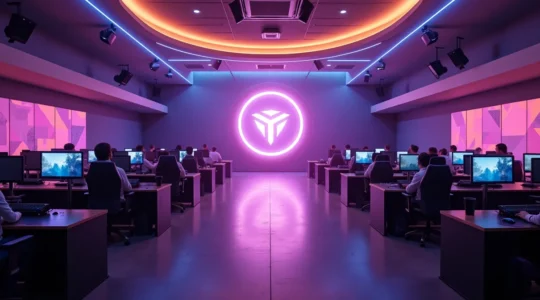
How to Turn a Passive Player Base into a Self-Sustaining Community?
The key to a self-sustaining community isn’t more content from you, but better connections between players. Passive players become active when they form social bonds, making the guild more important than the game itself. Effective moderation and event scheduling are…
Read more