Real Estate
The real estate landscape has transformed dramatically in recent years, evolving from simple property transactions into a sophisticated ecosystem where technology, sustainability, and human-centered design intersect. Whether you’re managing a residential building, investing in commercial assets, or designing the next generation of workplaces, understanding the multifaceted nature of modern real estate is essential for making informed decisions that deliver long-term value.
This comprehensive resource introduces the fundamental pillars shaping contemporary real estate: intelligent building systems that optimize energy and comfort, commercial strategies that adapt to shifting market demands, safety protocols that protect occupants and investments, digital construction methodologies that reduce costs and errors, evolving workplace models that respond to hybrid work patterns, and environmental considerations that enhance quality of life. Each element plays a critical role in creating properties that are not only profitable but also sustainable, safe, and genuinely responsive to occupant needs.
Smart Building Technology and Automation
Modern properties increasingly rely on interconnected systems that monitor, control, and optimize building performance. This technological shift represents more than convenience—it fundamentally changes how properties generate value and serve their occupants.
Energy Efficiency and Environmental Integration
The integration of smart thermostats and energy monitors has revolutionized residential property value by providing granular control over consumption patterns. These systems learn occupancy behaviors, adjust temperatures proactively, and deliver measurable returns on investment through reduced utility costs. Think of them as intelligent assistants that constantly fine-tune your building’s energy profile without requiring manual intervention.
Solar power integration takes this further by transforming buildings from pure consumers into energy producers. When coordinated with smart home systems, solar installations can automatically shift consumption to peak production hours, store excess energy, and even sell surplus back to the grid. The synergy between renewable generation and intelligent consumption creates a self-optimizing energy ecosystem.
Water management also benefits from automation. Smart irrigation systems analyze weather forecasts, soil moisture levels, and plant requirements to deliver precisely calibrated watering schedules. Properties in drought-prone regions can reduce water consumption by 30-50% while maintaining landscape quality—a tangible benefit that appeals to environmentally conscious tenants and reduces operational costs.
Building Management Systems and Protocols
Centralized digital control platforms allow facility managers to monitor HVAC performance, lighting patterns, and sensor networks from a single interface. Predictive maintenance represents a particularly valuable application: by analyzing performance data from heating and cooling systems, these platforms can identify failing components before breakdowns occur, extending equipment longevity and preventing costly emergency repairs.
However, the automation landscape faces a critical decision point between proprietary and open protocols. Proprietary systems offer tight integration and vendor support but create dependency and limit future flexibility. Open protocols enable interoperability between different manufacturers and protect your investment against technological obsolescence. For property owners planning long-term holds, this architectural decision carries significant implications for maintenance costs and upgrade pathways.
Security concerns deserve serious attention. Connected building sensors create potential vulnerabilities that malicious actors could exploit. Regular firmware updates, network segmentation, and robust authentication protocols form essential defenses. The convenience of smart systems must be balanced against the security risks they introduce.
Commercial Property Strategies
Commercial real estate demands a fundamentally different approach than residential property, requiring keen understanding of market dynamics, tenant behaviors, and evolving consumer expectations.
Retail Space Optimization
Physical retail faces existential pressure from e-commerce, forcing property owners and tenants to reimagine the role of brick-and-mortar locations. The most successful strategies integrate digital and physical experiences—often called “phygital” integration—where stores become experiential destinations rather than mere transaction points.
Understanding metrics like dwell time (how long customers spend in a space) helps retailers optimize layout and programming. Longer dwell times typically correlate with higher conversion rates and larger basket sizes. Strategic placement of interactive displays, comfortable seating areas, and engaging product demonstrations can transform browsing patterns and drive revenue.
Infrastructure quality matters enormously. Poor Wi-Fi coverage in commercial zones represents a critical error that undermines both customer experience and operational efficiency. Modern shoppers expect seamless connectivity for price comparisons, mobile payments, and social sharing. Checkout zone design similarly influences abandonment rates—friction at the final conversion point erases the value created throughout the shopping journey.
Investment Approaches and Asset Selection
Navigating market volatility requires disciplined analysis of cap rates across different zones, understanding which property types deliver superior risk-adjusted returns. Industrial assets have recently outperformed retail in many markets, driven by e-commerce logistics demands. However, office-to-mixed-use conversions present compelling opportunities as workplace patterns evolve.
Single-tenant dependency represents a concentrated risk that investors must carefully evaluate. Properties relying on one major tenant face significant cash flow vulnerability if that tenant departs. Lease structure becomes crucial: incorporating inflation escalators, percentage rent clauses, and appropriate term lengths helps protect returns in varying economic conditions.
Emerging markets offer higher yield potential but demand rigorous due diligence. Infrastructure projects often serve as value drivers—proximity to new transit lines, highways, or utility expansions can dramatically accelerate appreciation. The balance between immediate cash flow and long-term appreciation depends on your investment timeline and capital requirements.
Property Safety and Risk Management
Protecting occupants and assets requires proactive systems that identify hazards before they escalate into emergencies or liabilities. Modern property management extends far beyond reactive maintenance into predictive risk mitigation.
Automated leak detection represents one of the highest-return safety investments available. Water damage claims account for substantial insurance losses and can devastate property values. Sensors that immediately alert managers to moisture anomalies enable rapid response that prevents minor leaks from becoming catastrophic failures. The technology pays for itself through avoided claims and reduced insurance premiums.
Access control systems have evolved from simple locks to sophisticated smart systems that grant temporary credentials, log entry patterns, and integrate with emergency protocols. For multi-unit residential properties, these systems enhance security while reducing administrative burden—no more physical key management or lock changes between tenants.
Video surveillance raises important privacy considerations. While security cameras deter crime and provide valuable evidence, they must be deployed thoughtfully to respect resident rights. Clear policies about camera placement, data retention, and access controls help balance safety benefits against privacy concerns. Some jurisdictions impose strict requirements on residential surveillance—understanding local regulations prevents legal complications.
Carbon monoxide detection deserves particular attention in modern sealed buildings where energy efficiency measures reduce natural ventilation. This odorless, invisible gas poses deadly risks that only proper detection systems can identify. Regular testing schedules and strategic sensor placement protect lives and demonstrate the duty of care that property managers owe occupants.
Digital Construction and Building Information Modeling
The construction phase profoundly influences a property’s long-term performance, and Building Information Modeling (BIM) has revolutionized how projects are designed, coordinated, and handed over to facility managers.
BIM creates comprehensive digital representations of buildings that enable clash detection—identifying conflicts between structural, mechanical, electrical, and plumbing systems before construction begins. Finding these issues in the digital model costs a fraction of discovering them during installation. Think of it as a highly detailed rehearsal that exposes problems when they’re still easy to fix.
The concept of Level of Development (LOD) describes how much detail a BIM model contains. LOD 300 models show general system layouts suitable for coordination, while LOD 500 models represent as-built conditions with precise dimensions and specifications. Higher detail levels support facility management by providing maintenance teams with exact equipment specifications, warranty information, and replacement procedures embedded directly in the digital twin of the building.
Data interoperability remains a persistent challenge. Different software platforms use incompatible formats, creating friction when transferring information between design, construction, and operations phases. Ignoring this issue leads to costly manual data re-entry and lost information. Establishing clear protocols for file formats and data handoffs protects the investment in digital modeling.
Workplace Design for the Modern Era
The shift toward hybrid work patterns has fundamentally altered office real estate requirements, forcing property owners and tenants to reconsider traditional models.
Hot-desking—where employees don’t have assigned workstations—generates strong psychological resistance despite its space efficiency. People value territorial markers and personalization opportunities that fixed desks provide. Successful implementations balance flexibility with belonging by providing storage lockers, varied workspace types, and robust booking systems that ensure employees can reliably find appropriate spaces.
Calculating the optimal desk-to-employee ratio requires careful analysis of actual utilization patterns. With hybrid schedules reducing daily occupancy, maintaining a 1:1 ratio wastes capital on underutilized space. However, ratios below 0.6:1 often create frustrating competition for desks. Monitoring occupancy data over several months reveals true requirements and informs right-sizing decisions.
The comparison between coworking memberships and traditional leases presents interesting trade-offs. Coworking offers flexibility, lower capital commitment, and amenity access, but typically carries higher per-desk costs. Traditional leases provide stability, customization opportunities, and better economics at scale. The decision hinges on growth predictability, brand expression needs, and capital allocation priorities.
Open-plan designs reduce construction costs and promote collaboration but create significant privacy challenges—both visual and acoustic. Simply adding frosted glass or partition screens addresses visual privacy without solving the more damaging problem of acoustic intrusion, which we’ll explore further below.
Environmental Comfort in Shared Spaces
Noise pollution represents one of the most overlooked factors degrading quality of life in residential and commercial properties. The cognitive cost of background speech is particularly insidious—our brains automatically process overheard conversations, fragmenting attention and increasing mental fatigue even when we’re not consciously listening.
Sound masking technology addresses this by introducing subtle background noise that reduces the intelligibility of speech without creating a distracting sound environment. Unlike white noise, properly engineered sound masking uses frequencies specifically calibrated to mask human speech patterns. The result feels like gentle airflow rather than obvious noise.
Understanding the difference between active and passive noise cancellation helps inform design decisions. Passive approaches use physical barriers—insulation, mass-loaded walls, acoustic panels—to block or absorb sound. Active systems generate opposing sound waves to cancel incoming noise. Both have appropriate applications: passive methods work best for structural design, while active solutions suit personal workspace customization.
The error of providing visual privacy without acoustic privacy remains common in residential and office design. Occupants in visually separated spaces still hear conversations, phone calls, and activities from adjacent areas, creating frustration and conflict. Effective design addresses both dimensions simultaneously through strategic layout, appropriate materials, and technology integration.
Sequencing quiet hours in shared living environments requires balancing individual preferences with community harmony. Clear policies, respectful communication, and physical design that minimizes sound transmission create environments where diverse schedules can coexist without constant friction.
Real estate success in the current environment demands understanding these interconnected systems and how they create value. From the technical infrastructure that optimizes building performance to the human factors that determine whether spaces truly serve their occupants, each element contributes to properties that deliver sustainable returns while enhancing quality of life. The most effective approach integrates these perspectives from the earliest planning stages, creating buildings that excel across financial, environmental, and experiential dimensions.

How to Engineer a “Quiet Zone” That Genuinely Blocks 90% of Intrusive Noise
Contrary to popular belief, achieving acoustic privacy is not about creating silence; it’s about systematically engineering an environment where distracting speech becomes unintelligible. Effective quiet zones rely on the “ABC” framework: Absorb sound, Block its path, and Cover residual noise…
Read more
The Investor’s Playbook: Spotting Neighborhood Potential Before the Market Does
The secret to outsized real estate returns isn’t finding already gentrified neighborhoods; it’s identifying them 1-3 years *before* the boom by following the data. Most investors rely on lagging indicators like new cafes, which signals the opportunity has already peaked….
Read more
How to Design a Flexible Workspace That Employees Actually Want to Use
The solution to low office attendance isn’t more perks; it’s a “friction-led” design that makes the office indispensable for specific, high-value work. Your office must solve problems that remote work creates, like poor acoustics for confidential calls and shallow virtual…
Read more
How to Save 15% on Construction Costs by Using BIM Before Breaking Ground
The key to cutting construction costs isn’t working harder on-site; it’s de-risking your budget with financial precision in the digital phase. Building Information Modeling (BIM) moves beyond 3D visualization to become a financial simulation tool, catching multi-million dollar errors before…
Read more
How to Identify Undervalued Commercial Properties Before the Market Rebounds?
The key to outperforming the market is not finding distressed assets, but identifying future value through predictive analytics and recognizing structural shifts. True profitability is revealed by calculating inflation-adjusted cap rates and focusing on “yield on cost” for adaptive reuse…
Read more
How to Reduce Liability Claims by 40% Through Smart Safety Tech?
Reducing liability is less about insurance and more about creating a documented, technology-driven defense against the most common and costly claims. Focus on high-risk areas like water damage, which can be significantly more costly than fire in multi-family units. Implement…
Read more
How to Use Foot Traffic Analytics to Double Your Store’s Conversion Rate?
Foot traffic analytics isn’t about counting visitors; it’s about engineering a retail experience that strategically doubles your conversion rate. Minor improvements, like a 10-second increase in customer dwell time, can create major sales uplifts. Seamless ‘phygital’ experiences and zero-friction checkouts…
Read more
How to Reduce Facility Management Costs by 20% Using Centralized IoT Controls?
The key to cutting facility management costs isn’t just adopting new technology, but fundamentally shifting from a reactive, unpredictable budget to a data-driven financial model. Predictive AI monitoring identifies equipment failures before they happen, costing 3 to 10 times less…
Read more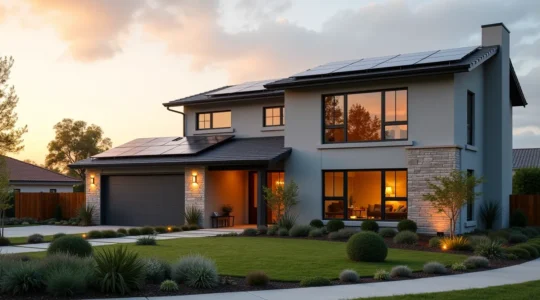
How to Increase Your Home’s Resale Value by 15% With Smart Eco-Tech?
Smart eco-tech boosts a home’s value not through trends, but by creating quantifiable financial returns and lowering operational risk. Targeted upgrades like smart thermostats and solar panels offer demonstrable ROI through energy savings and direct valuation premiums. Centralized, user-friendly control…
Read more